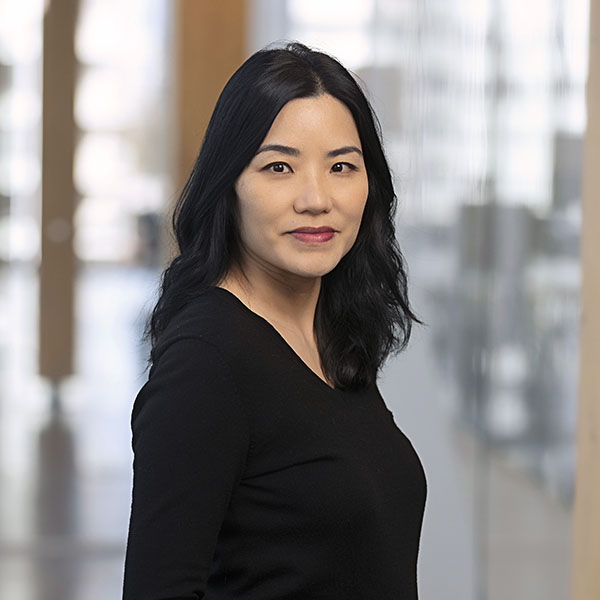
Natasha Campbell couldn’t believe how far she’d come.
She was producing her first fashion show in New York City at Milk Studios, a staple of the fashion industry. Natasha had spent years carving out a niche in Vancouver’s relatively tiny fashion market, but now she was managing models, dealing with celebrities, negotiating with agents, and coordinating a production that would earn her a write-up in Harper’s Bazaar.
“It was so far beyond what I imagined my career would be at that point,” Natasha says. “Being brought to New York to do this and not even being a New Yorker – that was pretty awesome.”
That moment was the culmination of her work in the fashion industry, but also the beginning of a new era of her career, one that would eventually lead Natasha back to the place where her professional journey started – KPU.
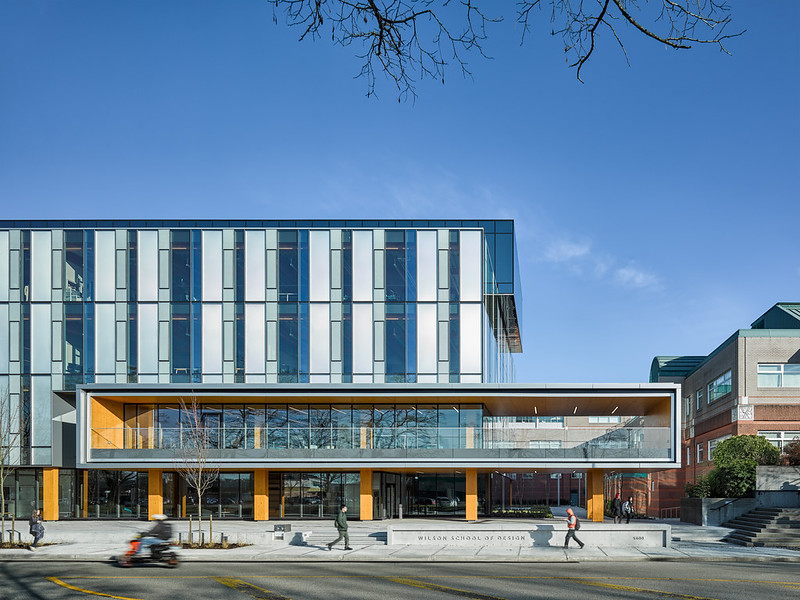
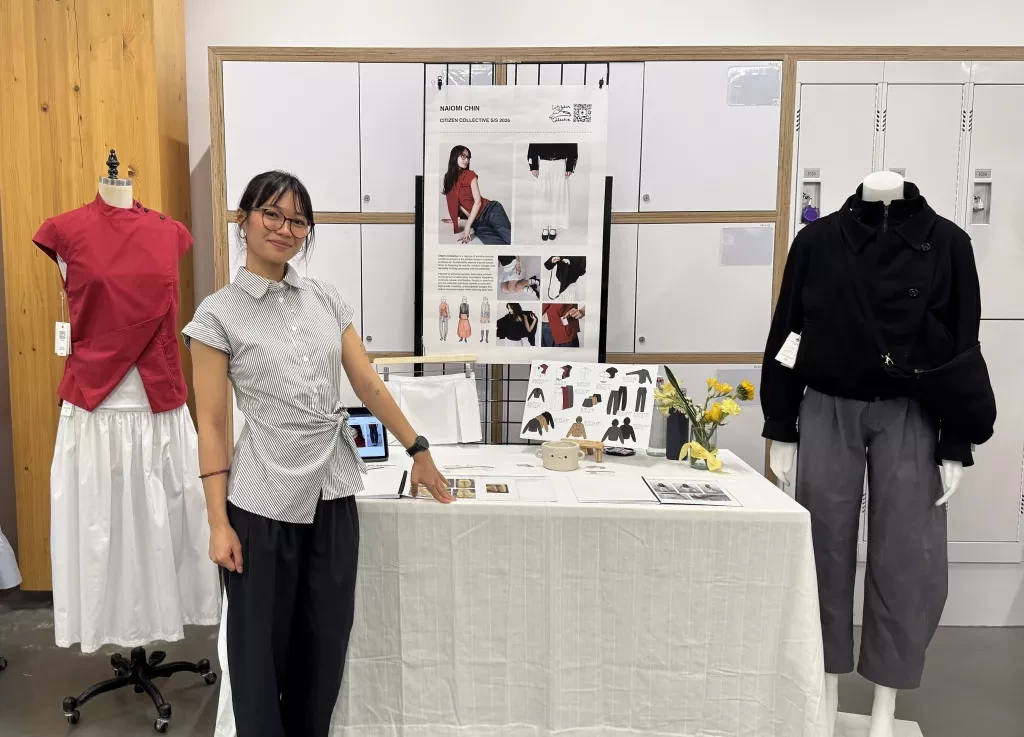
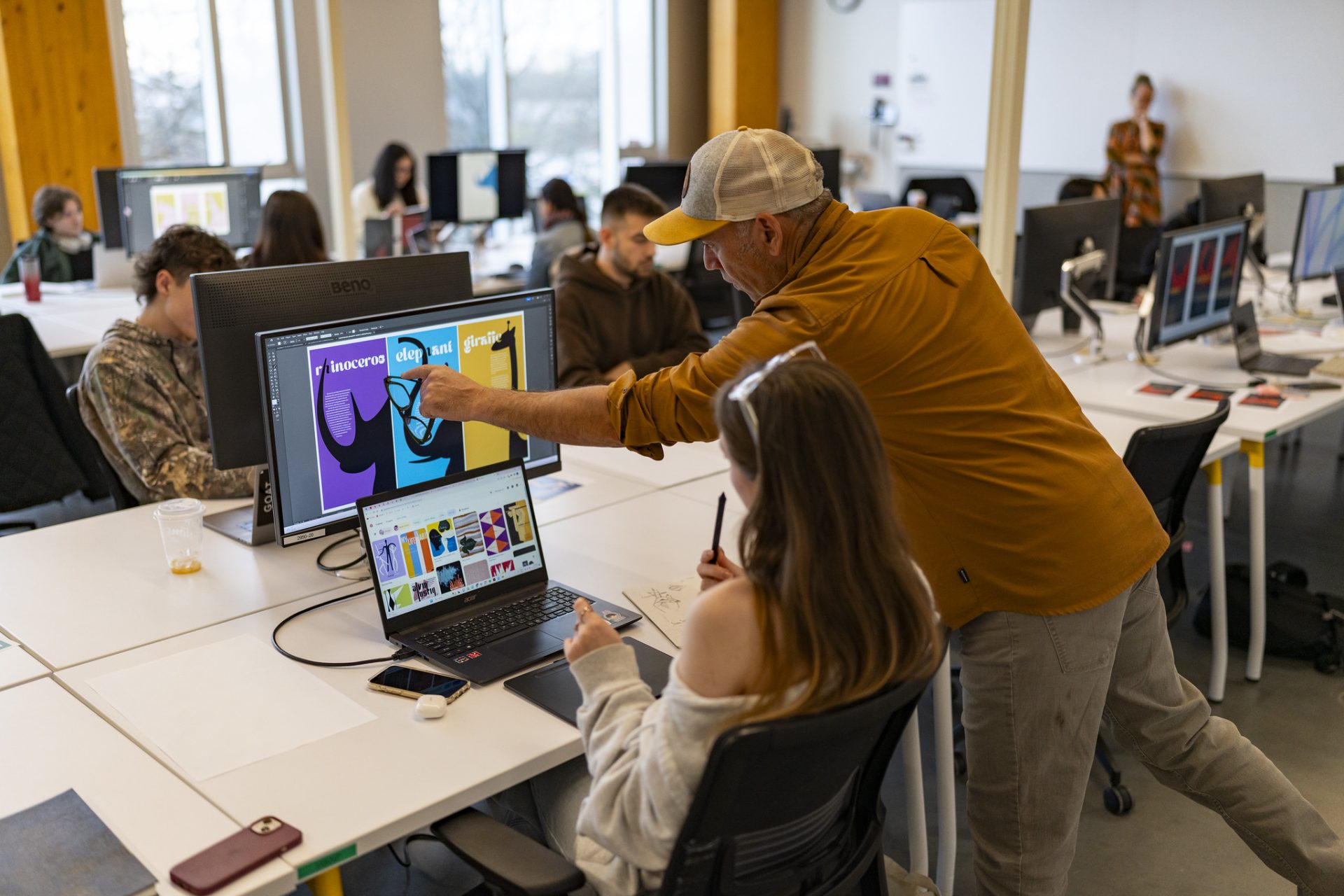
Today, she is the program chair for the foundations in design program at KPU’s Wilson School of Design, as well as a faculty member in the School of Business, helping the next generation of creative students find their own paths in the industry.
Natasha grew up in Richmond, and in high school, she developed a fondness for fashion, specifically sewing. Her skills landed her in a feeder program that prepared students for KPU’s early fashion offerings.
She enrolled at KPU in the late 1990s, completing a certificate in fashion marketing in 2001, with a focus on the creative side of the industry. She hustled hard in the years afterward, first freelancing as a show producer, coordinating everything from hiring models to managing logistics for runway productions.
“There are so many opportunities to choose where you want to go,” she says. “You can get a certificate and you can build that into a diploma, or into a degree. You can do those things at a pace that works for you and your career trajectory.”
Over time, her clientele expanded: first individual designers, then larger brands, retailers and nonprofits. She eventually incorporated her own company, Tasha E Productions, where she worked for the City of Vancouver and the Hudson’s Bay Company, along with charitable organizations and international market weeks.
Early on, she produced one such showcase in Shenzhen, China, which broadened her understanding of the global fashion industry. “China really opened up my eyes,” she says.
At the same time, Natasha was nurturing a budding passion for education. By her early 20s, she was already teaching at Blanche Macdonald, producing graduation shows, consulting for clients and styling campaigns, quickly developing a reputation for bridging fashion practice with business concepts. That led to further teaching roles at other institutions.
In a short amount of time, she had achieved a lot, but it wasn’t enough. “I’d been doing a director’s role, and I wasn’t paid as a director,” Natasha says. “And I said, I don’t want to be in this position where I am doing more work than I’m being paid for and having to do someone else’s role all the time.”
So, she went back to KPU, enrolling in the newly launched bachelor of business administration in entrepreneurial leadership, taking classes while simultaneously teaching and continuing her work in the fashion industry.
Her second time at KPU was transformational. Natasha joined international case competitions, where she and her three teammates went head-to-head with students from much larger schools. At one competition in Singapore, they went up against international academic powerhouses like Copenhagen Business School and Carnegie Mellon University. It was a classic tale of David and Goliath – the team from a small B.C. institution that beat the giants. Natasha was named Best Guest Speaker at the competition. “People were looking at us like, ‘Who the hell is KPU?” she says with a laugh.

We really had more hands-on learning. We were doing case studies. We were very immersed in that, where other schools were still focused on theory, and just didn’t have that advantage.
Natasha Campbell — Wilson School of Design
Natasha and her teammates returned to Singapore the following year, but the other teams complained and they were disqualified, essentially, for being too strong of a team. They were so good, they had to change the rules.
“They created what, at that time, was called the KPU clause, where you can’t have the same teammates compete in the competition the following year,” she says.
For Natasha, the competitions unlocked a new perspective that led her to complete her masters in strategic design and management at Parsons.
“It really opened up my eyes to seeing that there was more than just creative production that I was doing,” she says. “I was really a strategist, and I had the ability to go more into business development and hone that in. That was quite pivotal.”
After years in fashion and private education, Natasha returned to KPU, this time as faculty. Her experience in both industry and teaching made her an ideal fit for the Wilson School of Design and eventually stepped into leadership as program chair of the foundations in design program.
The program, she explains, is designed to be an opportunity for students to explore design and learn what design means for themselves.
“It’s about giving creatives an avenue,” she says. “For many families, design isn’t understood the way more traditional careers are. But design is a huge industry – we all wear clothes, we all live in designed spaces. My role is to open that world up for students.”
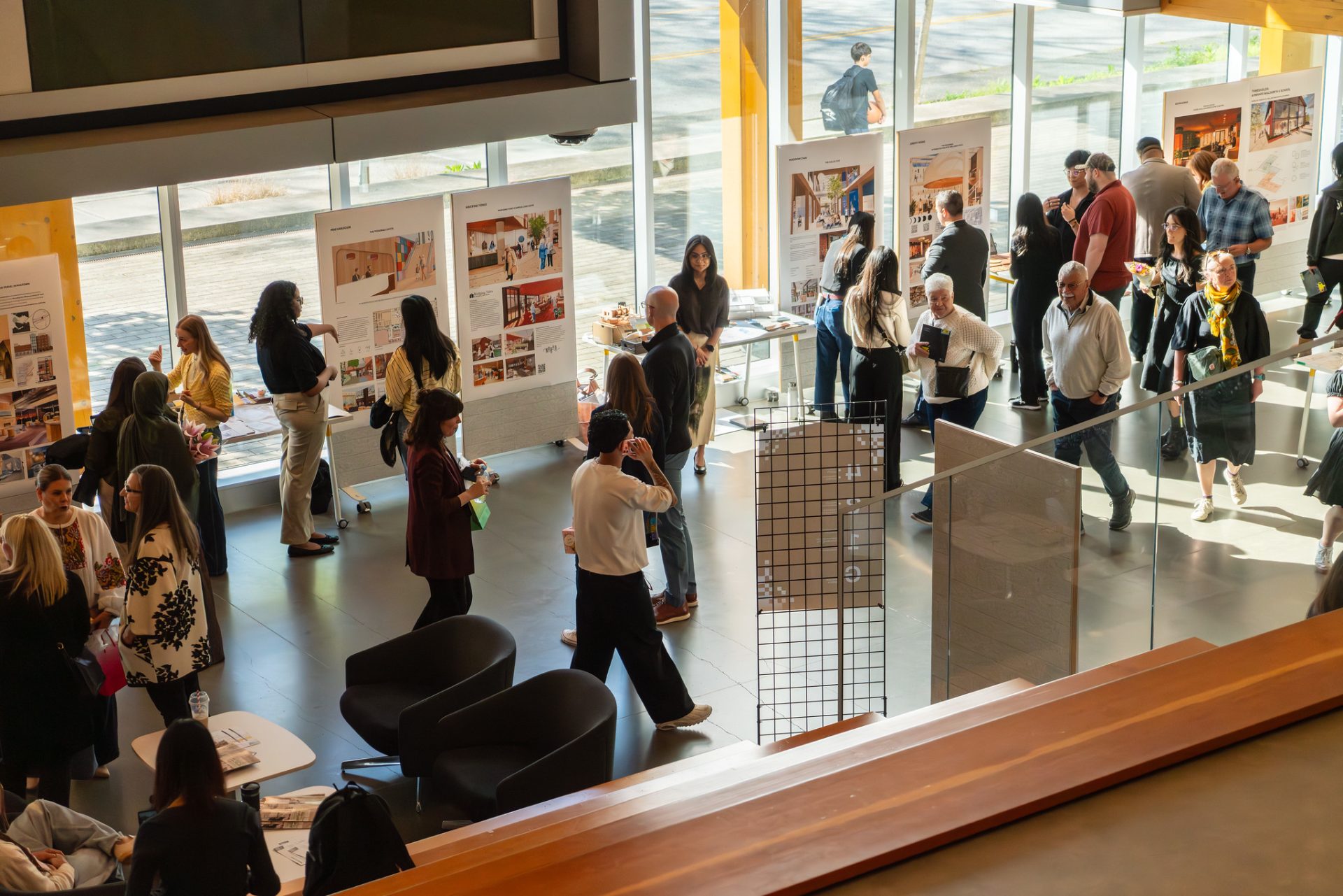
Under her leadership, the program has grown in scope and visibility. Graduates have gone on to win international awards, validating the program’s reputation as a launchpad for design careers. The Wilson School of Design has become one of Western Canada’s top-ranked applied design schools, bolstered by a $36-million building that reflects its growing influence.
“Our graduates are getting jobs before they even finish their programs. They know how to work in professional environments, how to collaborate, how to be in office environments. They’re prepared for the real industry, not just concepts on paper.”
For Natasha, the most rewarding part is seeing her students thrive. As an instructor and program chair, she is ensuring that KPU students have the same opportunities to explore that she had, to test themselves and grow.
“They’re getting skills that are for the real world of the real industry, of what’s happening today, which will set them up for the future.”
Read the original article here.