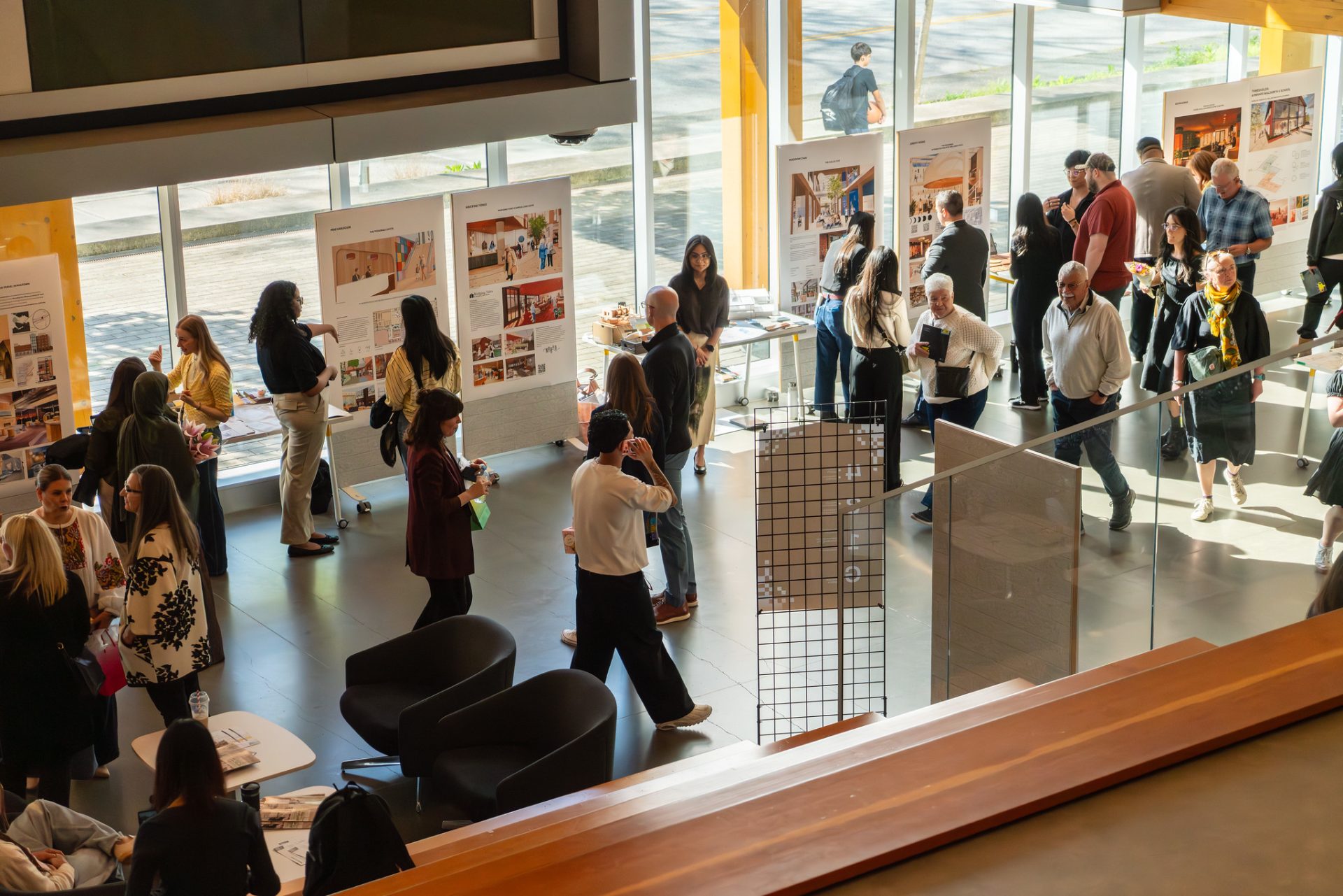
Discover the innovative work of the Interior Design class of 2026! Over 100 graduating students from across 8 programs are featured at Next Level, the 2026 KPU Wilson School of Design Grad Show. Learn more about our graduates and take a closer look at the projects they presented to industry and community.
Our Bachelor of Interior Design degree has been accredited by the Council for Interior Design Accreditation since 2000 and holds first professional degree status, offering a direct path to becoming a professional interior designer. Our studio-based curriculum delivers an intensive, hands-on education in the built environment. Graduates leave with a refined design process, a strong portfolio, and meaningful industry connections.
In third year, students may apply to the Honours track, where they pursue an independent, research-driven capstone project in their final year. As one of a select number of Interior Design Honours offerings in Canada, this pathway supports advanced inquiry and focused exploration.
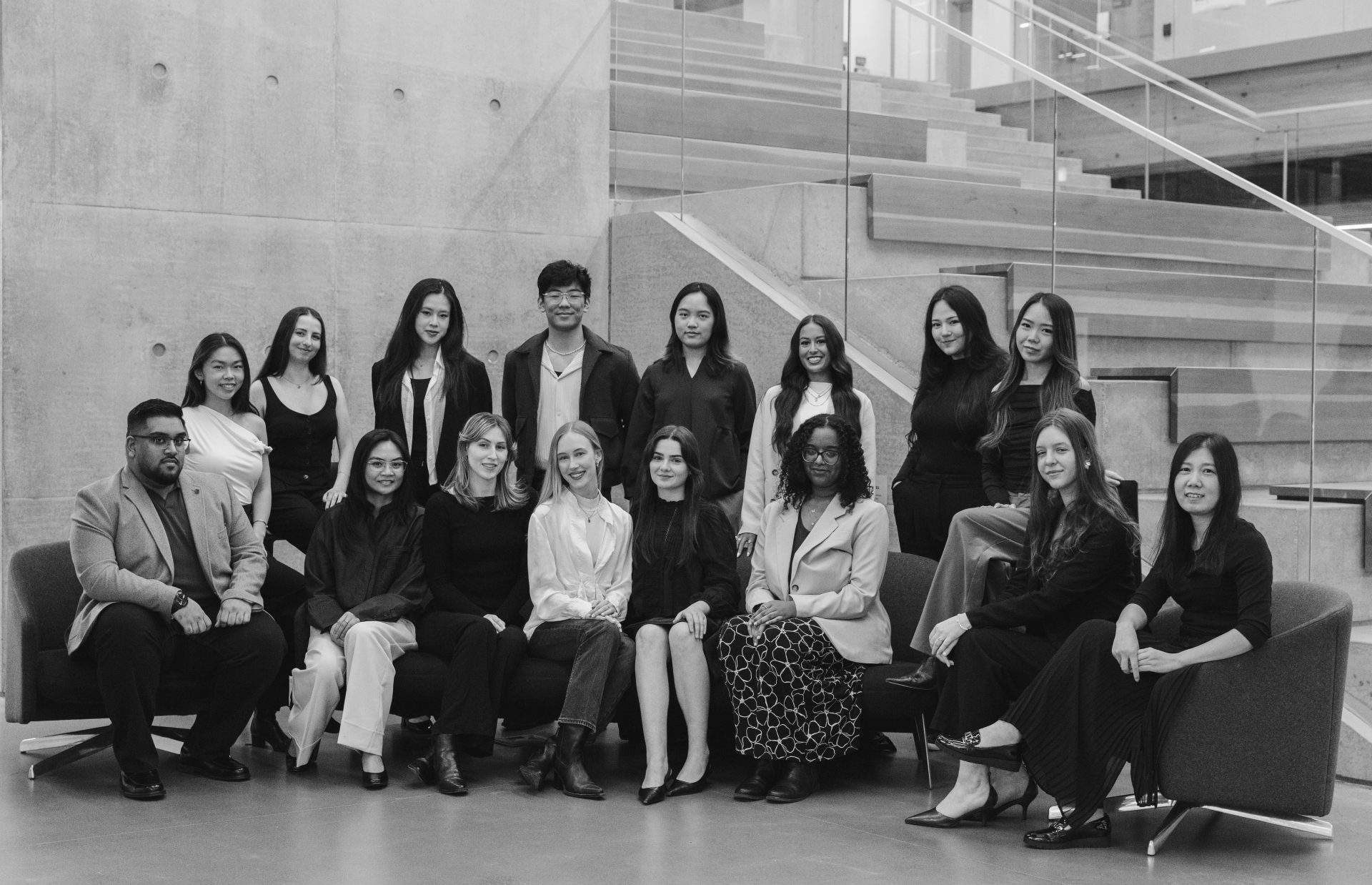
Meet our graduates:
Andrene Ang
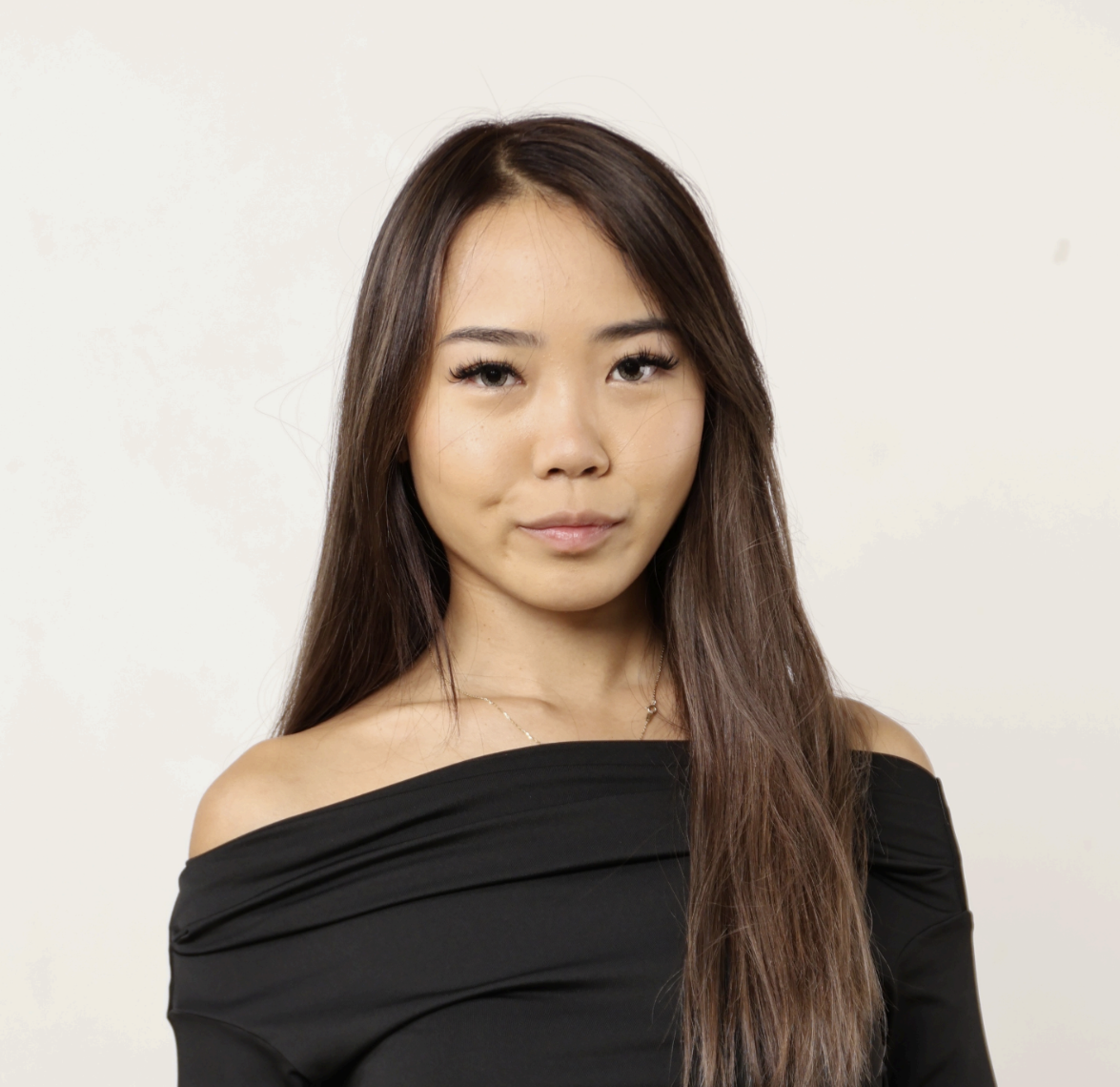
My passion for interior design is deeply rooted in architectural history, cultural diversity, and sustainable innovation. Throughout my studies, I have developed technical drafting skills and mastered various software to bring my design concepts to life. I thrive on creating user-focused, environmentally sustainable spaces, which led me to an exchange semester in Australia, where I explored diverse design perspectives and cutting-edge sustainability practices.
Capstone Description:
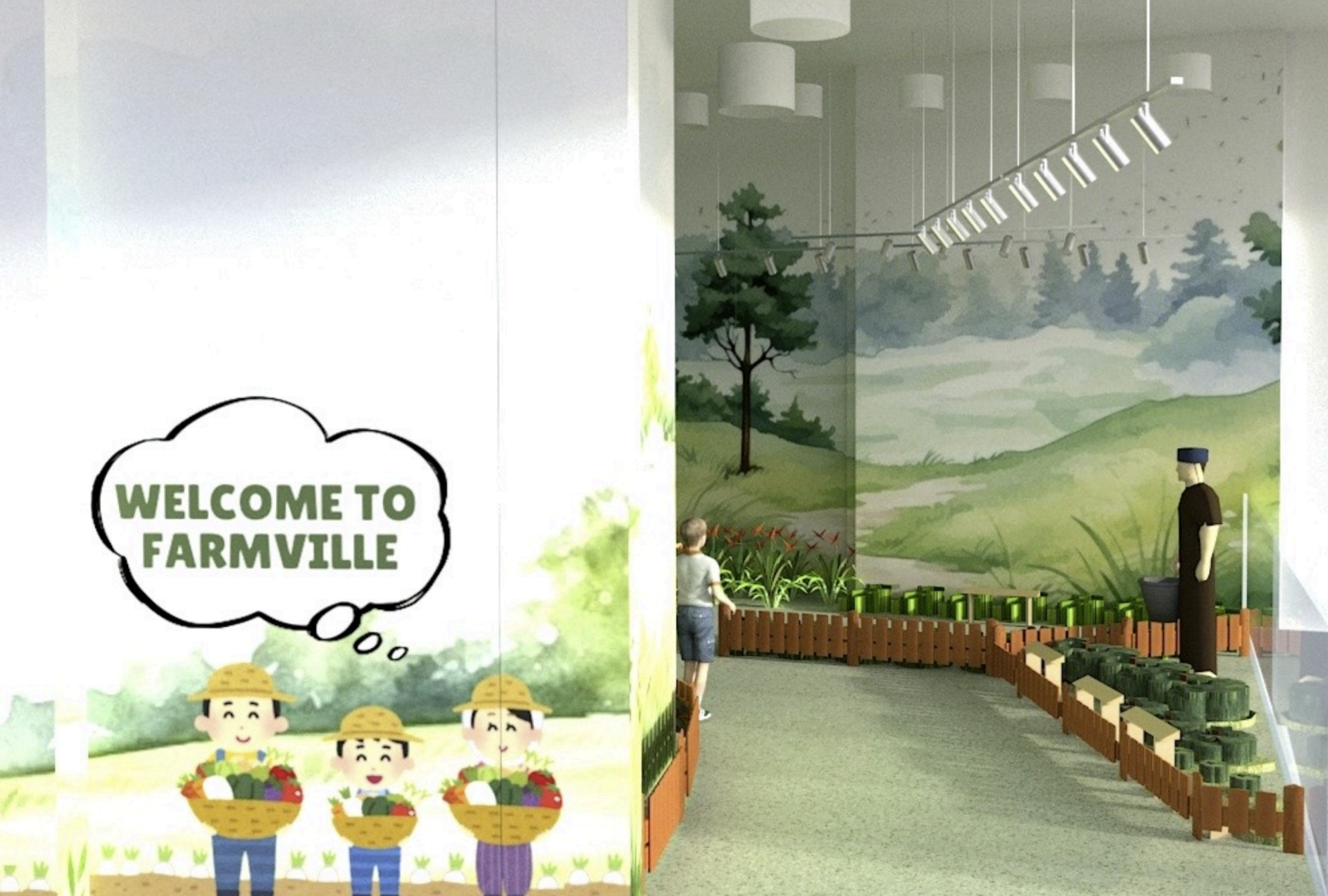
Farmville is an interactive exhibit on sustainable agriculture designed to be both educational and engaging while supporting neurodivergent visitors. It encourages self-guided exploration through controlled multisensory experiences of touch, sight, and sound. Defined spatial zones balance active and calm areas, allowing users to regulate engagement. A palette of muted natural colours, warm lighting, soft textures, and watercolour background creates a welcoming, child-friendly environment that reflects agricultural themes while minimizing sensory overwhelm.
Angelica Yang

I’m an interior design student with 20 years of experience in real estate, spanning marketing and design leadership. This multidisciplinary background informs my approach to design, with a focus on concept development, storytelling, and contextual response. I’m interested in spaces that are coherent and meaningful for both the user and the larger urban environment.
Capstone Description:
My capstone explores how a private Waldorf K–3 school might be integrated into a dense urban heritage building in Vancouver. The project responds to the relationship between Waldorf education’s nature-based, campus-oriented values and the constraints of an urban heritage site. Through spatial buffering, soft luminosity, and organic form, I aim to create an environment that supports child development while placing the school in meaningful dialogue with the surrounding neighbourhood.
Drew Forbes
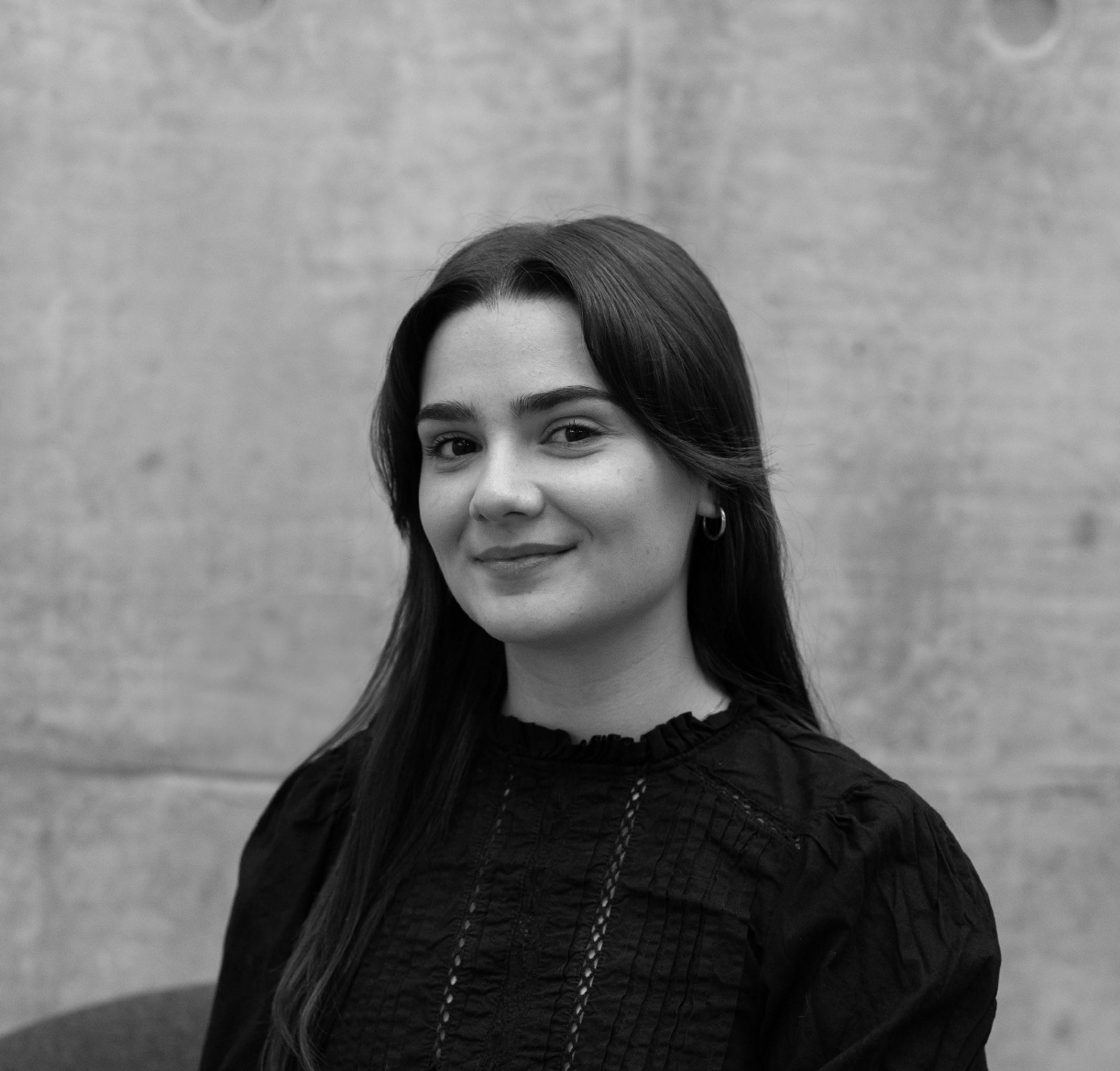
I’m Drew Forbes, and over the past four years I’ve developed a strong interest in conceptually driven spaces. With a background in theatre, I naturally gravitate toward designing immersive environments that foster creativity, confidence, and connection. I’m also particularly drawn to historical buildings and hope to further explore adaptive reuse and preservation as I enter the design industry.
Capstone Description:
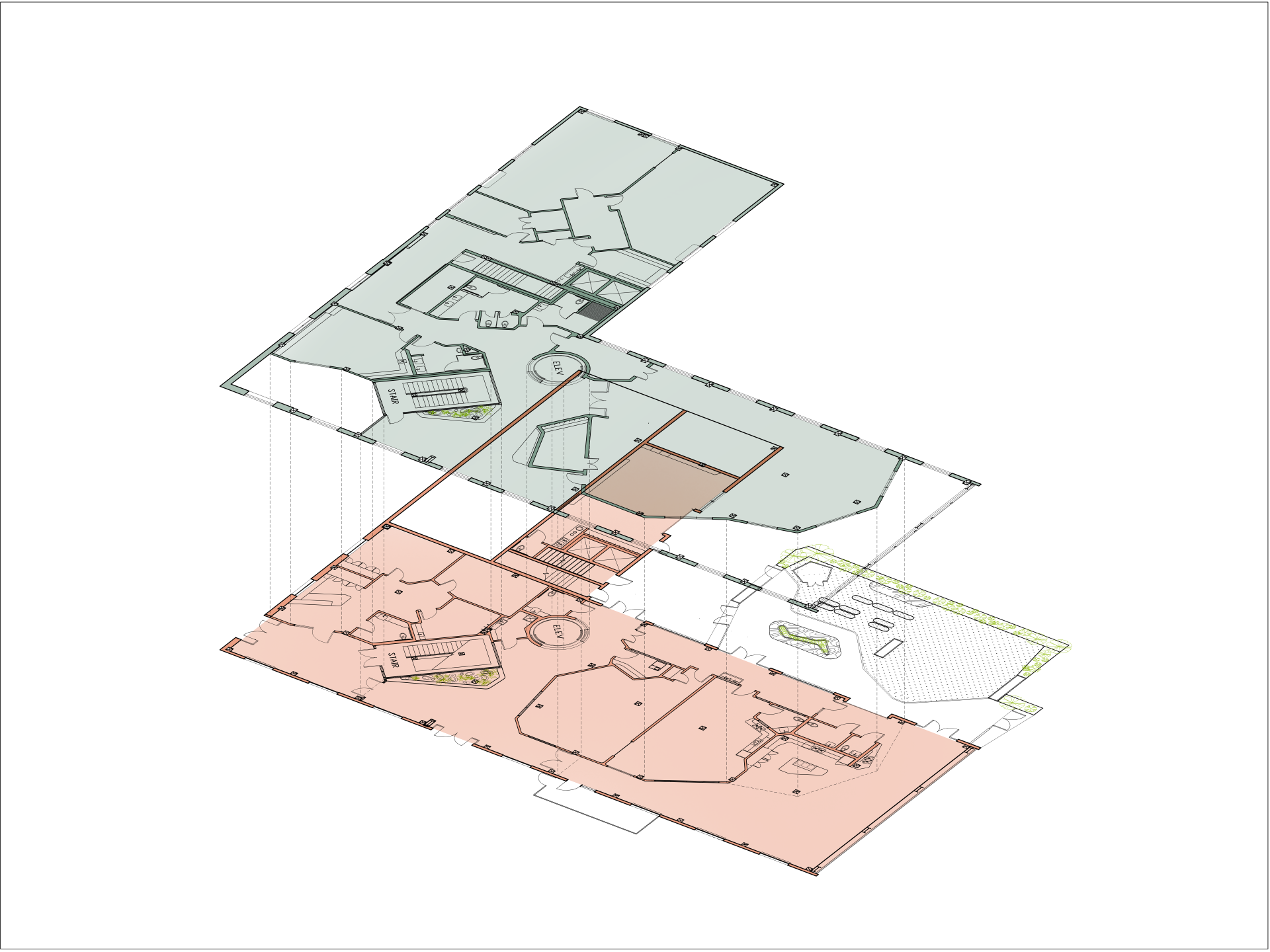
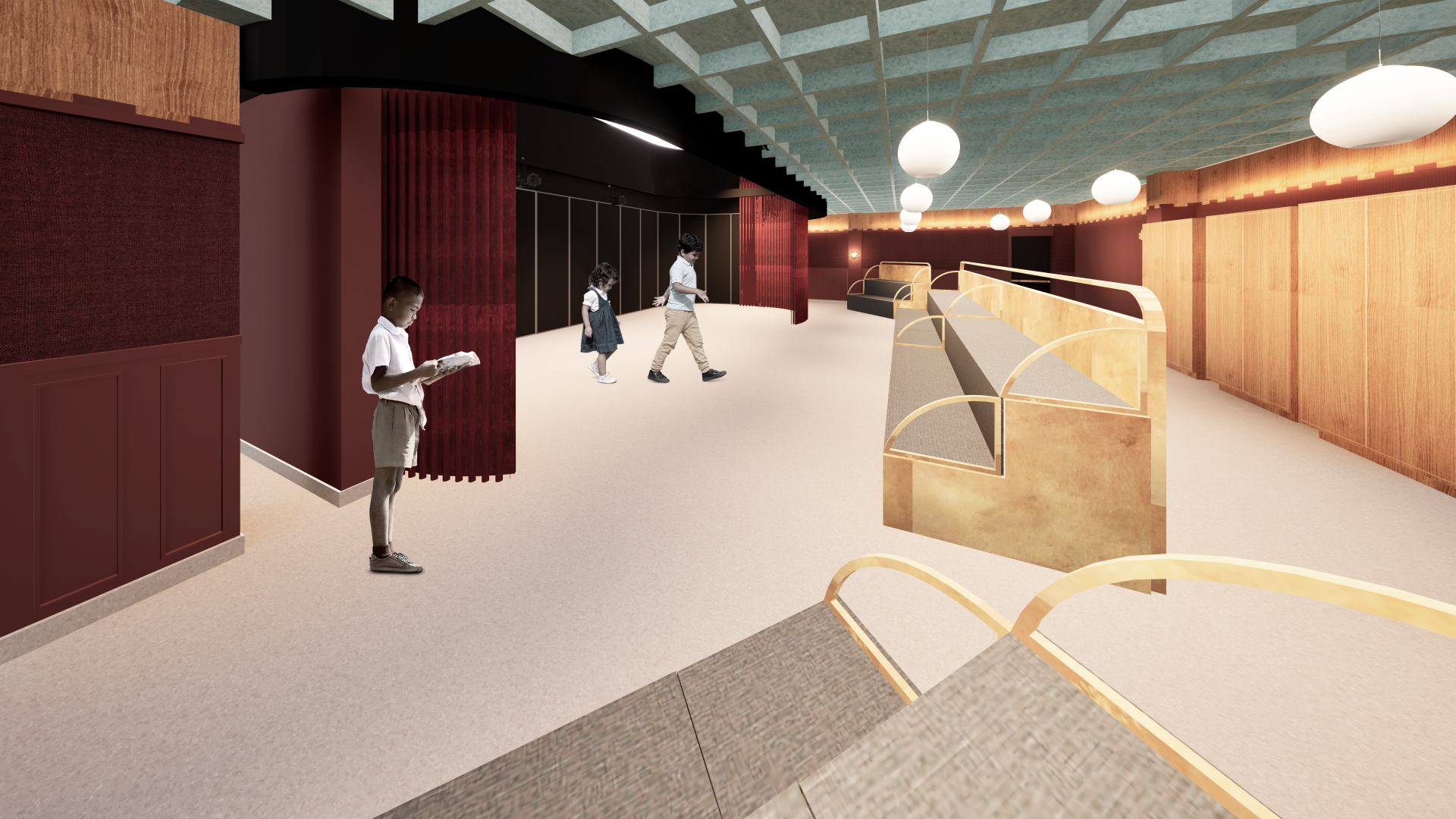
My capstone project, Opsal Theatre, reimagines the historic Vancouver Opsal Steel building into a performing arts elementary school. Designed to support early childhood development, the space integrates flexible classrooms, performance areas, and creative environments that foster confidence, communication, and self-expression. Drawing from theatre traditions and adaptive reuse, the project emphasizes exploration & community connection. Creating an open setting where young students can develop both their academic and creative skills.
Emily Senko
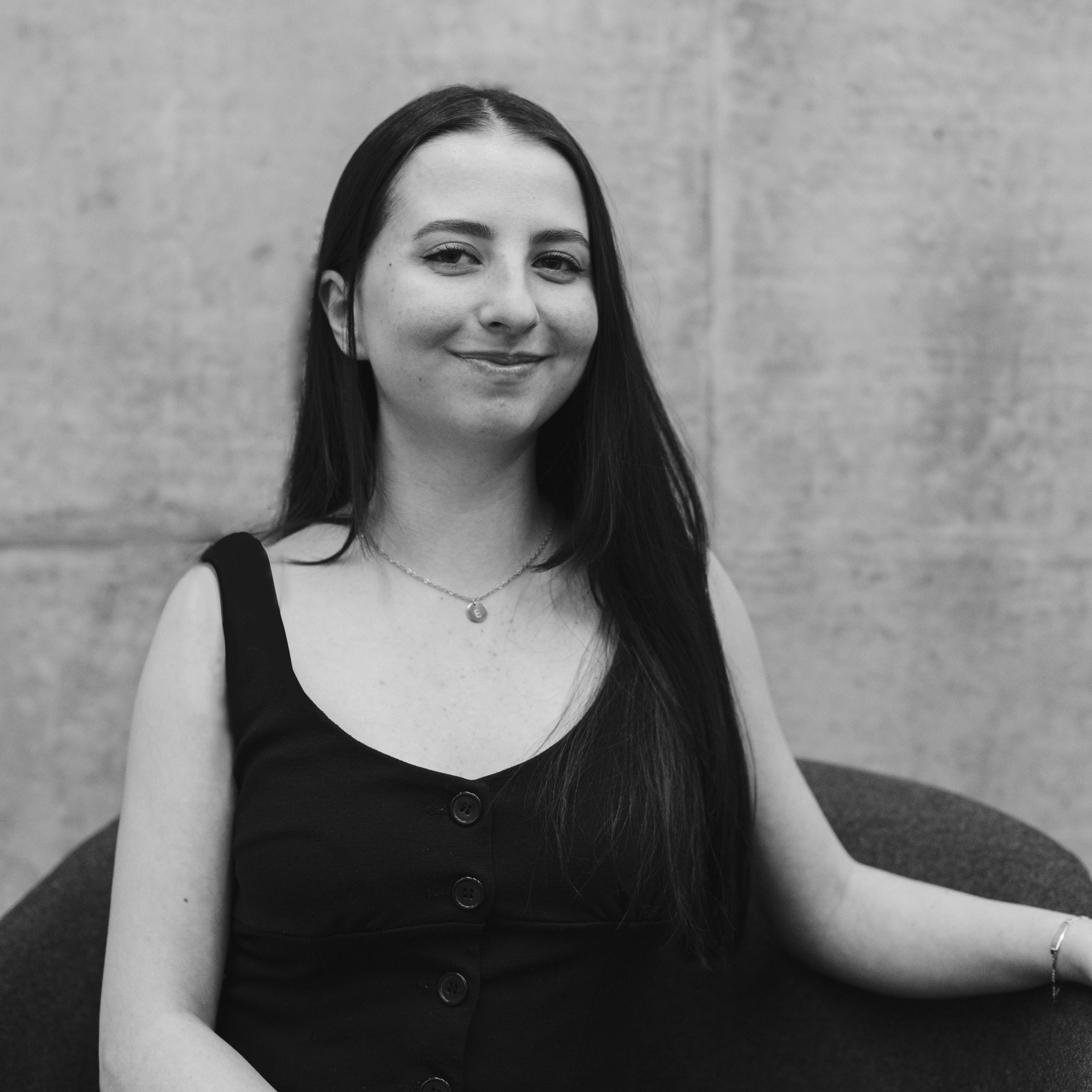
Hi there! My name is Emily Senko, and throughout my journey in the Interior Design program I have found that I love to figure out the “Why?”. By centering on the users and their experience, the design can connect the people utilizing it. With a love for concept and research-based solutions, I hope to find my space within the industry by looking at projects in healthcare, hospitality, or education; focusing on designing for people first.
Capstone Description:
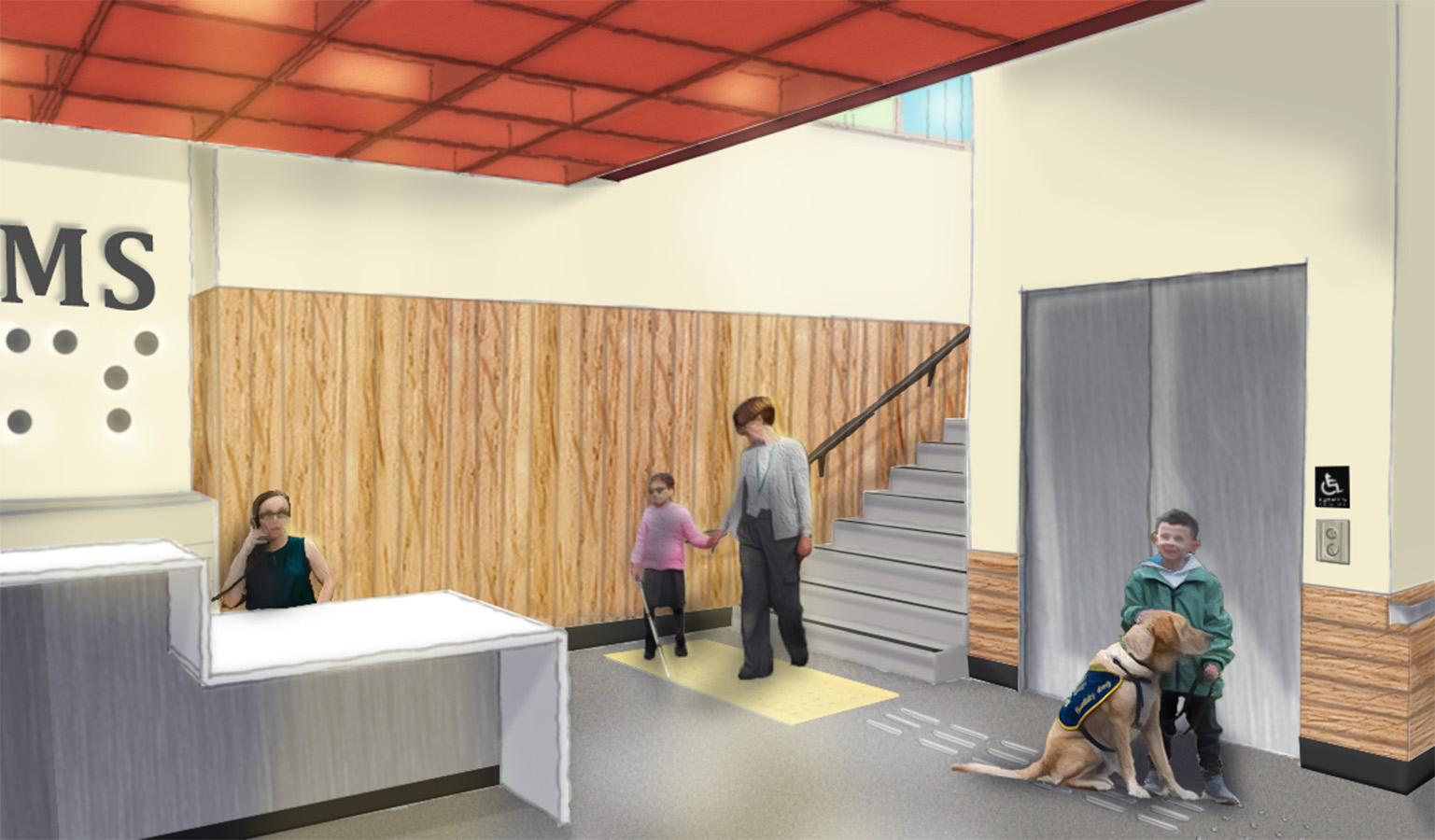
The Opsal Middle School for the Blind and Partially Sighted creates opportunities for children all over the Lower Mainland. With a focus on connection and creating confidence in its students, this school holds classrooms for Grades 4-7, ranging in age from 9-13 years old. By including areas for learning throughout the school, with specialty teachers and activities, O.M.S. intends to send the students to their next step towards future independence.
Marisa Dick

Hello, I’m Marisa Dick. As a warm and bubbly individual—I approach interior design through an empathetic lens. Human connection is what fuels me, and I bring that same intention into my design process; creating spaces that evoke emotion, foster inclusivity, and reflect the diversity of those who experience them. My goal is to design spaces that support and elevate the project’s intentions while curating a space that people feel seen, heard, and supported in.
Capstone Description:
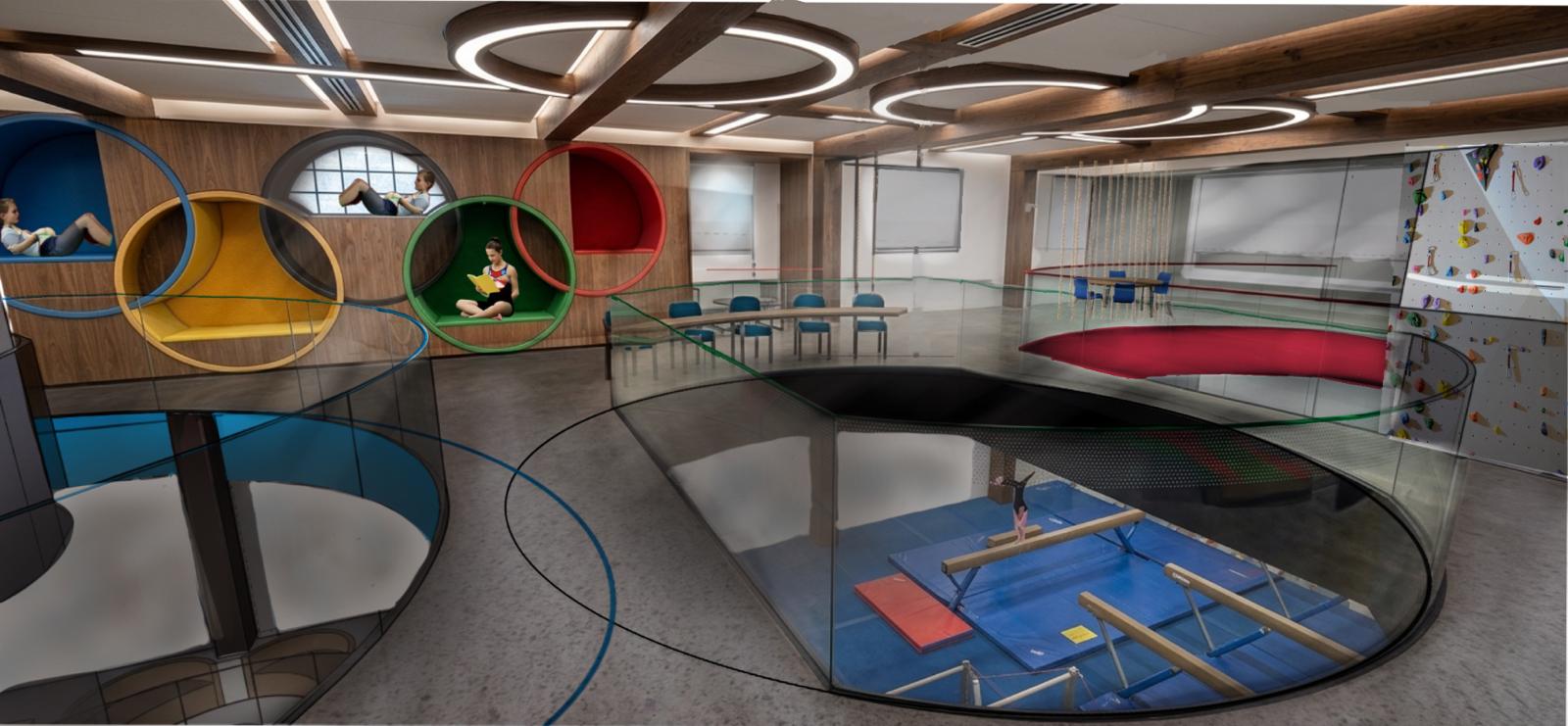
Drawing from my experience as an Olympic gymnast and traditional student, I identified gaps in how conventional school environments support student-athletes mentally and physically. Opsal Olympia is driven by human-centered design to reduce cognitive and physical load through tailored ergonomics to the fit + function of a gymnast, clear sightlines between academic and athletic zones, flexible kinesthetic learning opportunities, and material continuity—minimizing the mental shift between student and gymnast identities.
Virginia Li
Hello, I’m Virginia–nice to meet you! I’m an adaptive and empathetic individual motivated by a strong care to support and uplift others. Throughout my academic journey, I’ve discovered a passion and curiosity for designing inclusive spaces for all, all while pushing unique conceptual frameworks and evidence-based design approaches to craft spaces that encourage a sense of belonging.
Capstone Description:
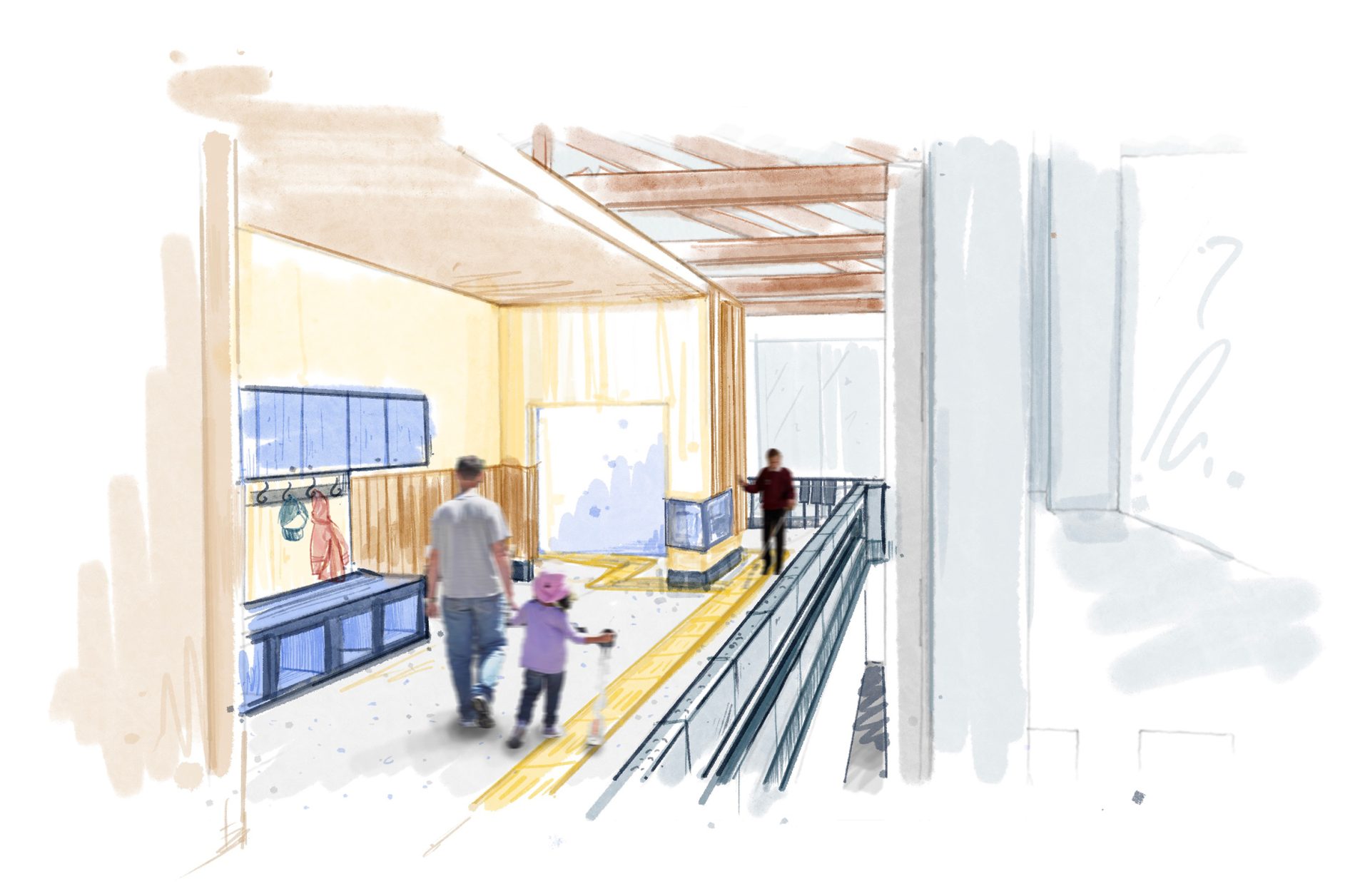
Introducing Rythmic Resonance, a primary school for blind and low-vision students. Inspired by the form and resonance of a piano, early childhood development learning flourishes through a music and auditory-based approach. The built environment pushes tactile and auditory navigational systems for learning, growth, and play.
Honours:
Aevin Kumar

My name is Aevin Kumar, and I am graduating from the Honours Interior Design program. I am driven to create meaningful, innovative spaces that integrate timeless and historic elements with modern influences. My work balances aesthetics and functionality, guided by intention, curiosity, and continuous growth. I strive to design authentically, incorporate sustainable practices, and create thoughtful environments that leave a lasting, positive impact for those I design for.
Capstone Description:
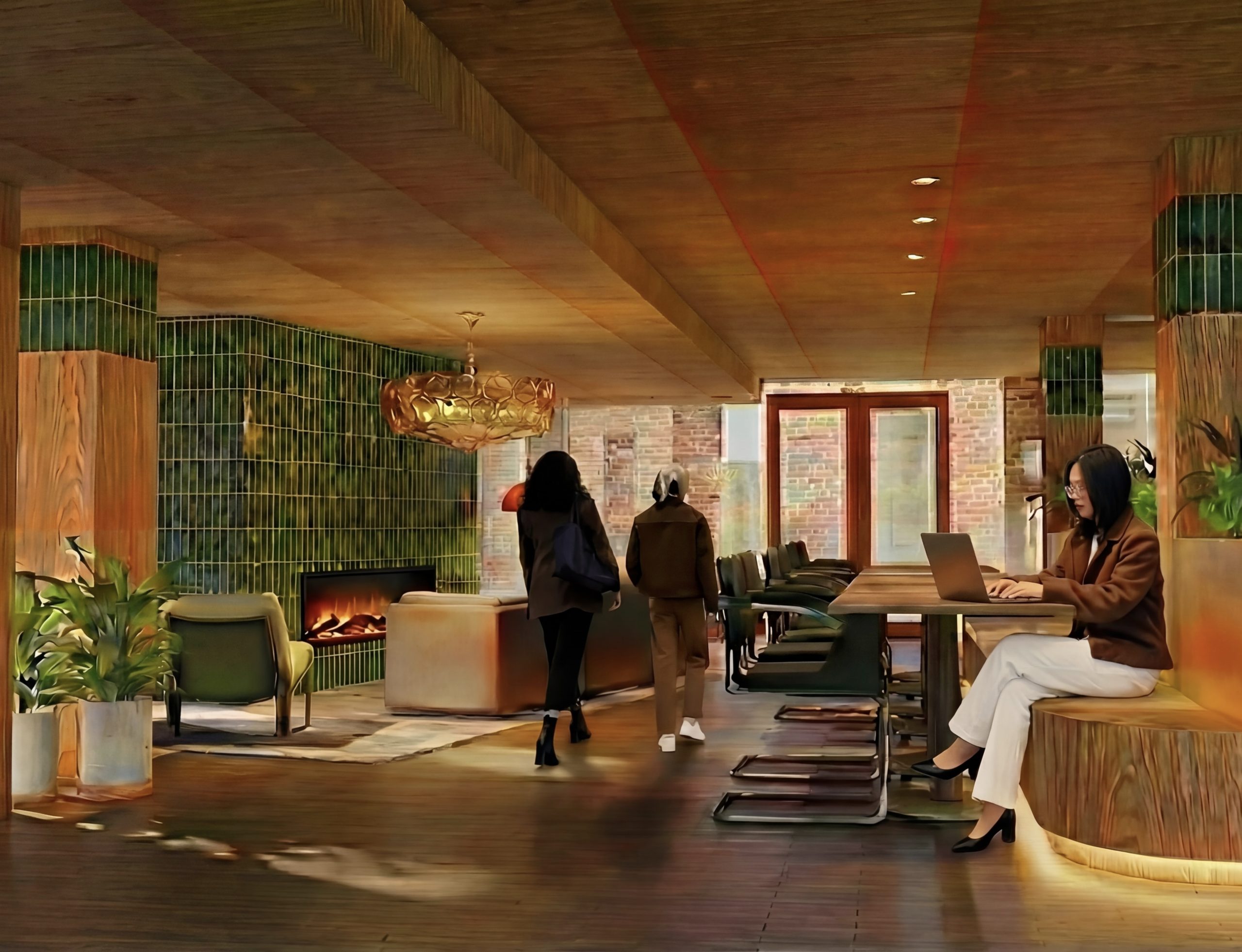
The Kollective is a five-storey small business hub in Vancouver’s historic 55 East Cordova building, supporting entrepreneurs across Canada by addressing gaps in resources and growth. The first floor features flexible retail spaces and a boutique restaurant to engage the public. The second and third levels provide membership-based workspaces with advisors, consultants, and rentable offices. The fourth and fifth floors house a boutique business hotel designed for relaxation and productivity. As a whole, The Kollective creates a centralized environment where business owners can build a community.
Emily Mckenzie-Djordjev
Hi, I’m Emily! I believe the built environment has the power to create positive change and foster human connection. I strive to design spaces that tell a story and leave a lasting, emotive impression. My goal is to enhance community, comfort, and quality of life through thoughtful design, proving design can be both environmentally responsible and deeply enjoyable.
Capstone Description:
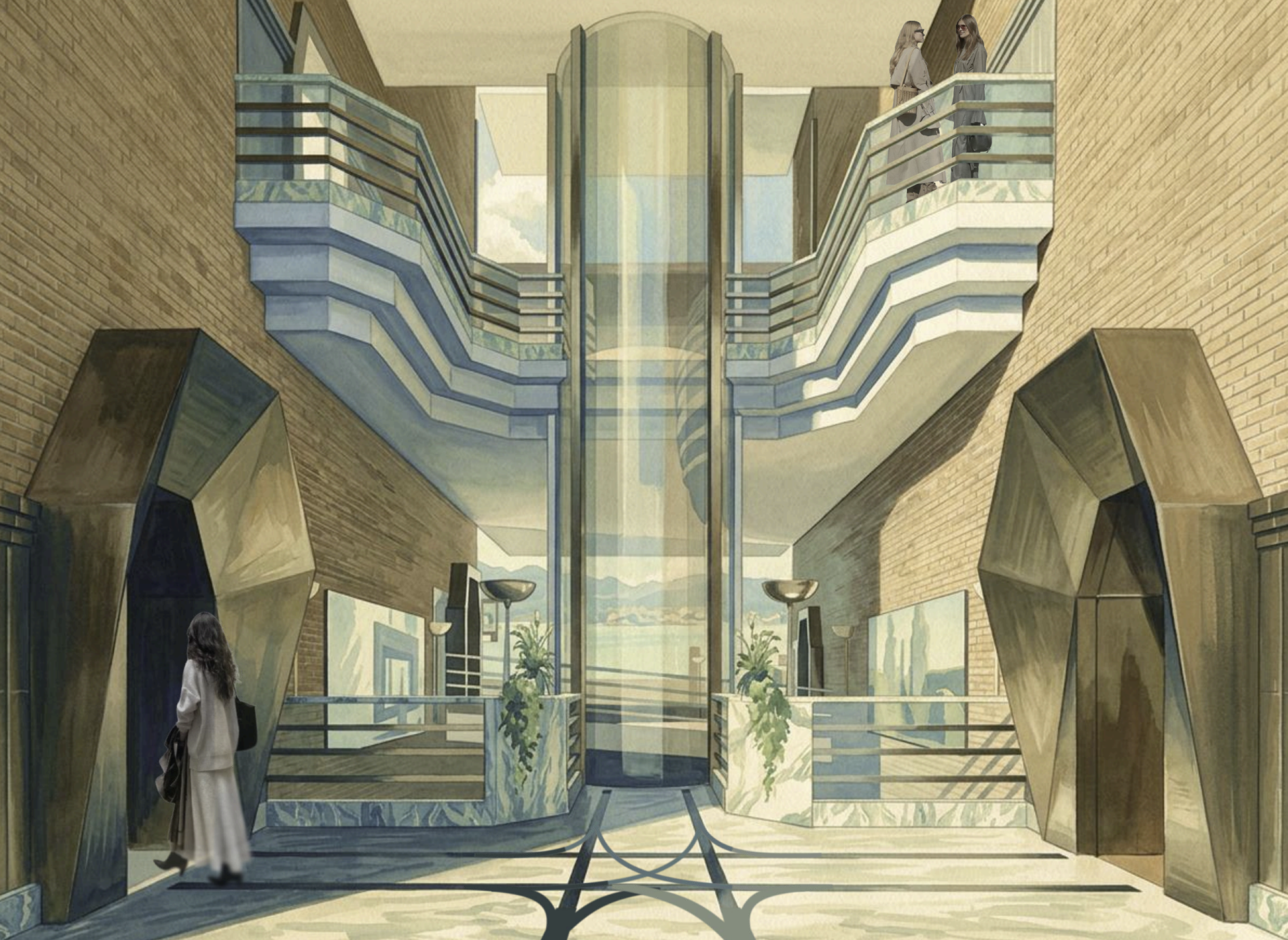
Vitesse is a boutique hospitality concept and hotel that reimagines rail travel as a seamless, elevated experience through each stage of your journey. Blending the efficiency of transit with the atmosphere of hospitality, the design guides guests through moments of movement and pause while prioritizing user experience, comfort, and the joy of discovery. Informed by futurist ideologies, Vitesse expresses a sense of progress and optimism, with the machine as its muse.
Erika Goguen

Hi, I’m Erika. Over time, I’ve learned that what matters most to me in design is how a space makes people feel. I prioritize empathy in my work, thinking about comfort, connection, and everyday experience. I’m drawn to creating spaces that feel thoughtful and meaningful, where concept and atmosphere come together. As I graduate, I’m excited to keep exploring and shaping spaces that put people first.
Capstone Description:
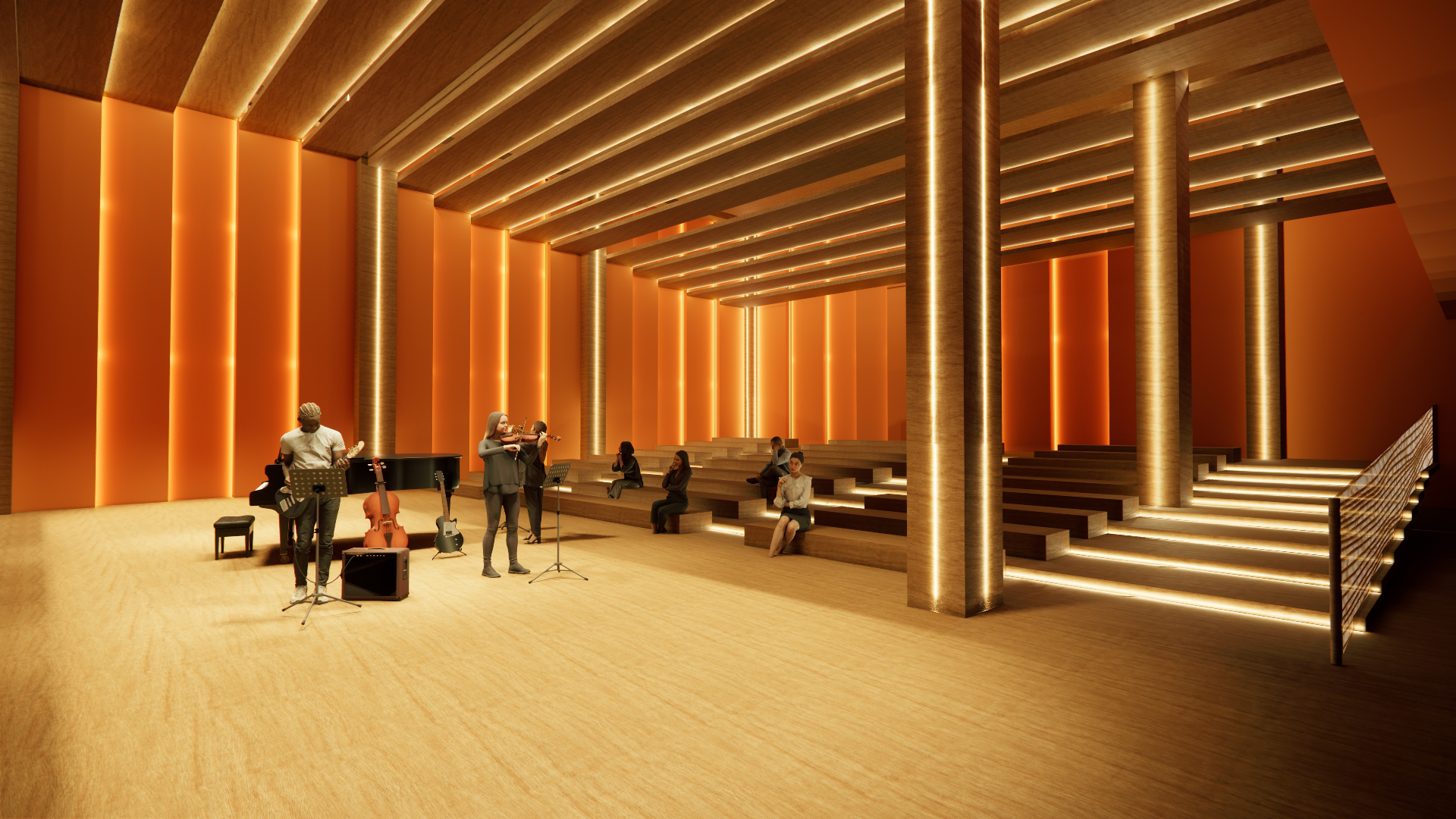
Numa Academy is a music-focused high school exploring the relationship between sound, space, and student experience. Inspired by the structure of a pipe organ, it symbolizes unity among its members, reflecting how individual parts come together to create something greater. The design supports students pursuing music by fostering focus, creativity, and growth. Integrating performance, learning, and community, the project creates a cohesive environment that nurtures artistic development, connection, and engagement with the surrounding community.
Gabriela Hiramoto
Hello, I’m Gabriela Hiramoto! As a designer, I thrive on challenges and enjoy pushing the boundaries of creativity to develop meaningful, unique, supportive spaces. I believe design is all about people and an incredibly powerful tool – every project is an opportunity to elevate user experiences, evoke emotions, and tell stories.
Capstone Description:
Responding to identified gaps in existing Women’s shelters in Vancouver, Crossroads expands access to female-focused transitional housing, while supporting users with extra services and resources for during and after their stay through an elevated experience. The space is thoughtfully designed to promote dignity, autonomy, and flexibility for each resident. By supporting healing, encouraging social reintegration, and fostering a sense of community, Crossroads aims to empower individuals to move forward with resilience and independence.
Isabella Boiago Gollucke
Contact:
Email: isa.gollucke@gmail.com
LinkedIn: Isabella Boiago Gollucke
Instagram: @designedby.isabella
As a lifelong creative, I bring a growing passion for merging research, innovation, and conceptual imagination in every space. Guided by a human-centered philosophy, I prioritize universal design alongside cultural awareness, sustainability, and inclusivity. Inspired by travel, literature, art, and continuous learning, I approach design as both intellectual and emotional, creating environments that nurture physical comfort, psychological well-being, and meaningful social connection.
Capstone Description:
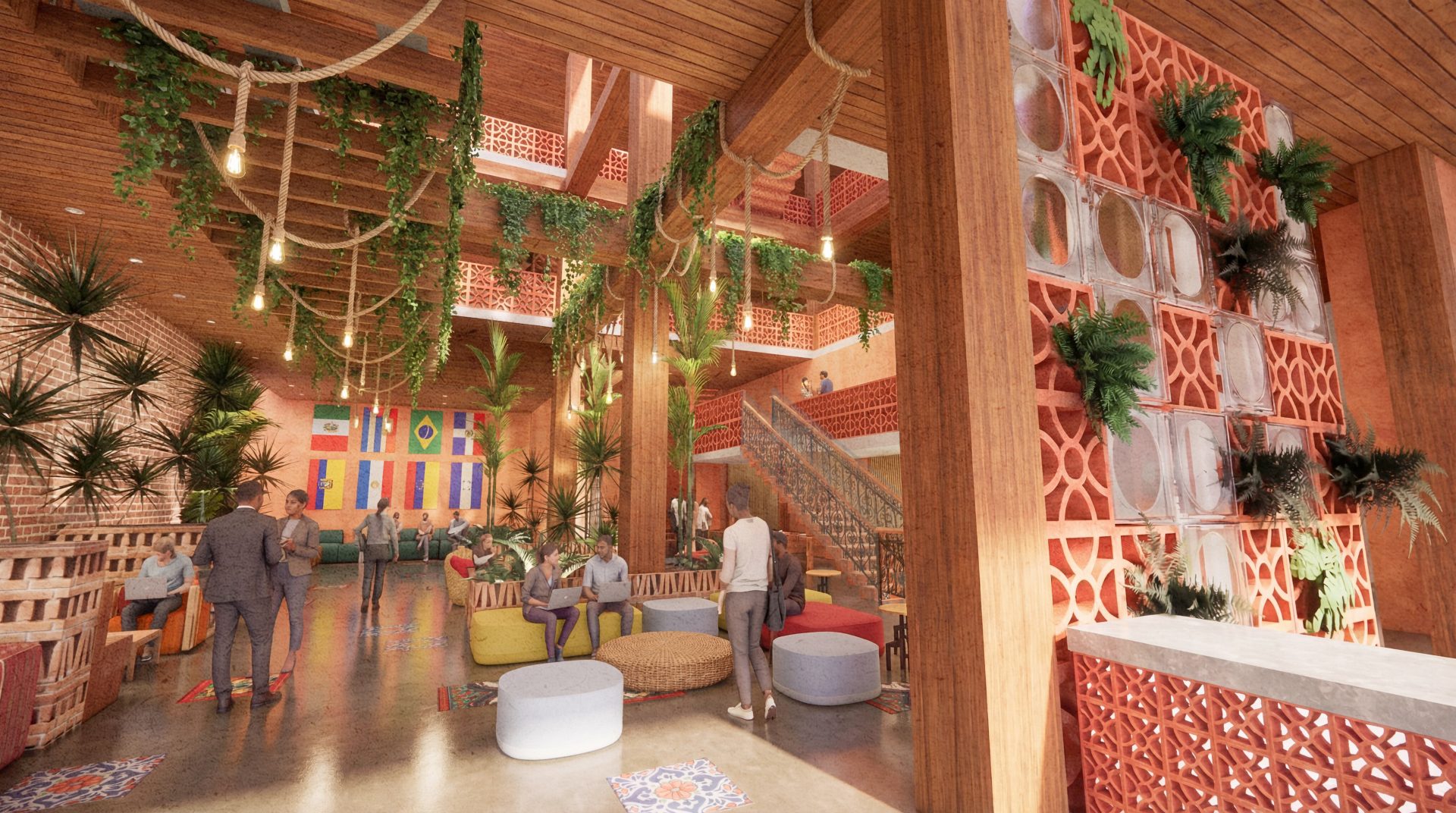
Casa Latina is a community centre designed to support first-generation Latin American immigrants as they settle into life in Canada. It serves as a cultural and social hub that encourages connection, cultural expression, and access to essential newcomer services. Through spaces that promote interaction, visibility, and shared experiences, the project aims to reduce isolation and foster a strong sense of belonging within a new environment.
Jeremy Wong
My name is Jeremy Wong, a fourth-year Honours Interior Design student drawn to hospitality, wellness, commercial, and adaptive reuse design. My work is rooted in storytelling, human connection, and creating spaces that feel grounded, welcoming, and functional. Inspired by travel, nature, and culture, I enjoy transforming abstract ideas into thoughtful, buildable experiences that balance bold concepts with everyday use.
Capstone Description:
Penumbra is a 24/7 integrated wellness centre designed for frontline and essential workers in Vancouver experiencing physical, mental, and emotional burnout. Inspired by the shifting balance of light and shadow during an eclipse, the project reflects the day-to-night rhythms of shift work. Through fitness, hydrotherapy, mindfulness, and hospitality spaces, Penumbra offers a new approach to recovery, resilience, and round-the-clock care.
Kristine D. Torio
What draws me to design is the ability to transform problems into meaningful solutions—where creativity, empathy, and critical thinking shape impactful experiences. I believe design goes beyond aesthetics; it’s about understanding people and crafting environments that tell a story. Through research, collaboration, and communication, I create spaces that are both functional and beautiful. Inspired by travel and everyday moments, I aim to design thoughtful, human-centered environments that resonate and create lasting value.
Capstone Description:
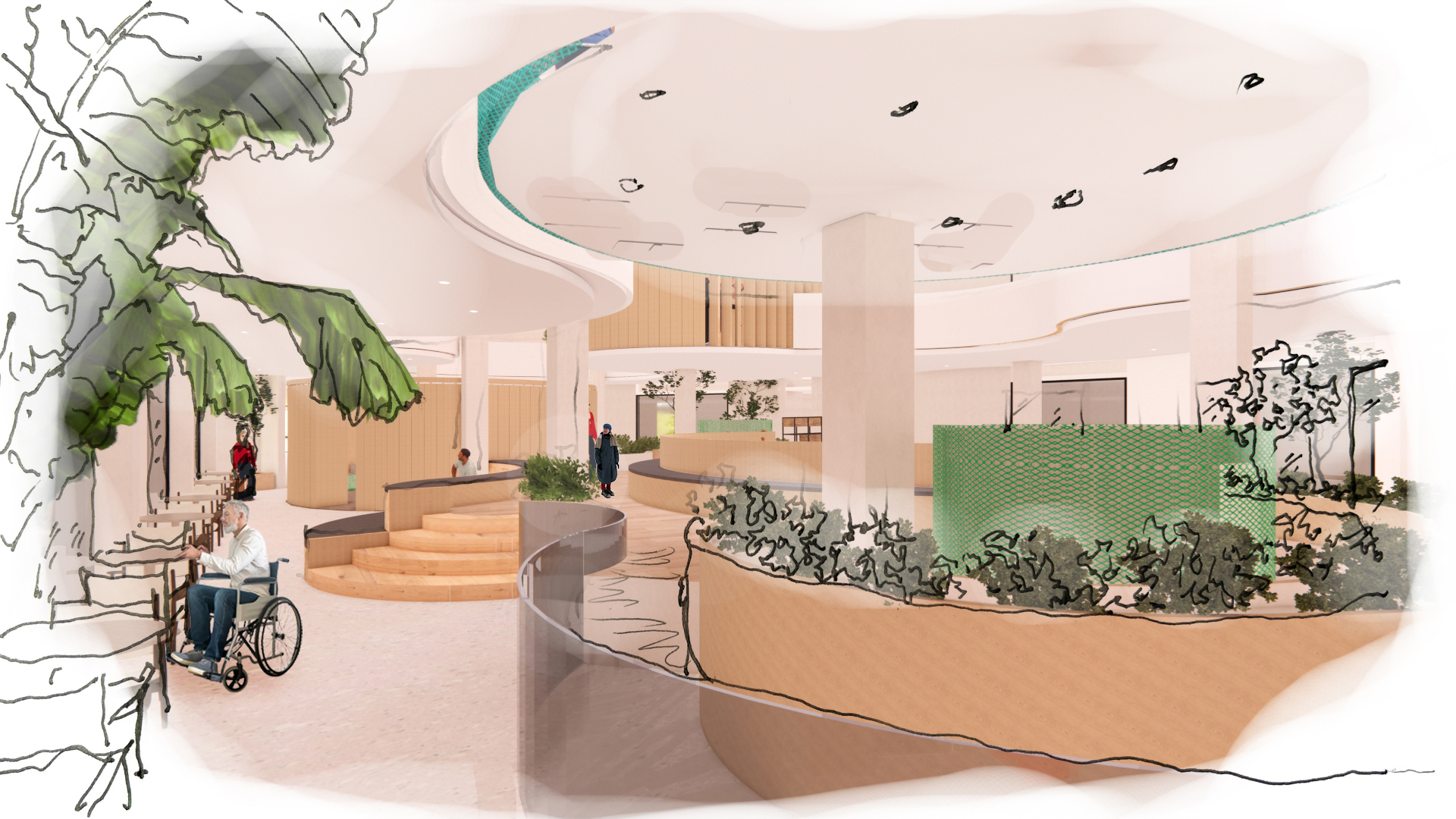
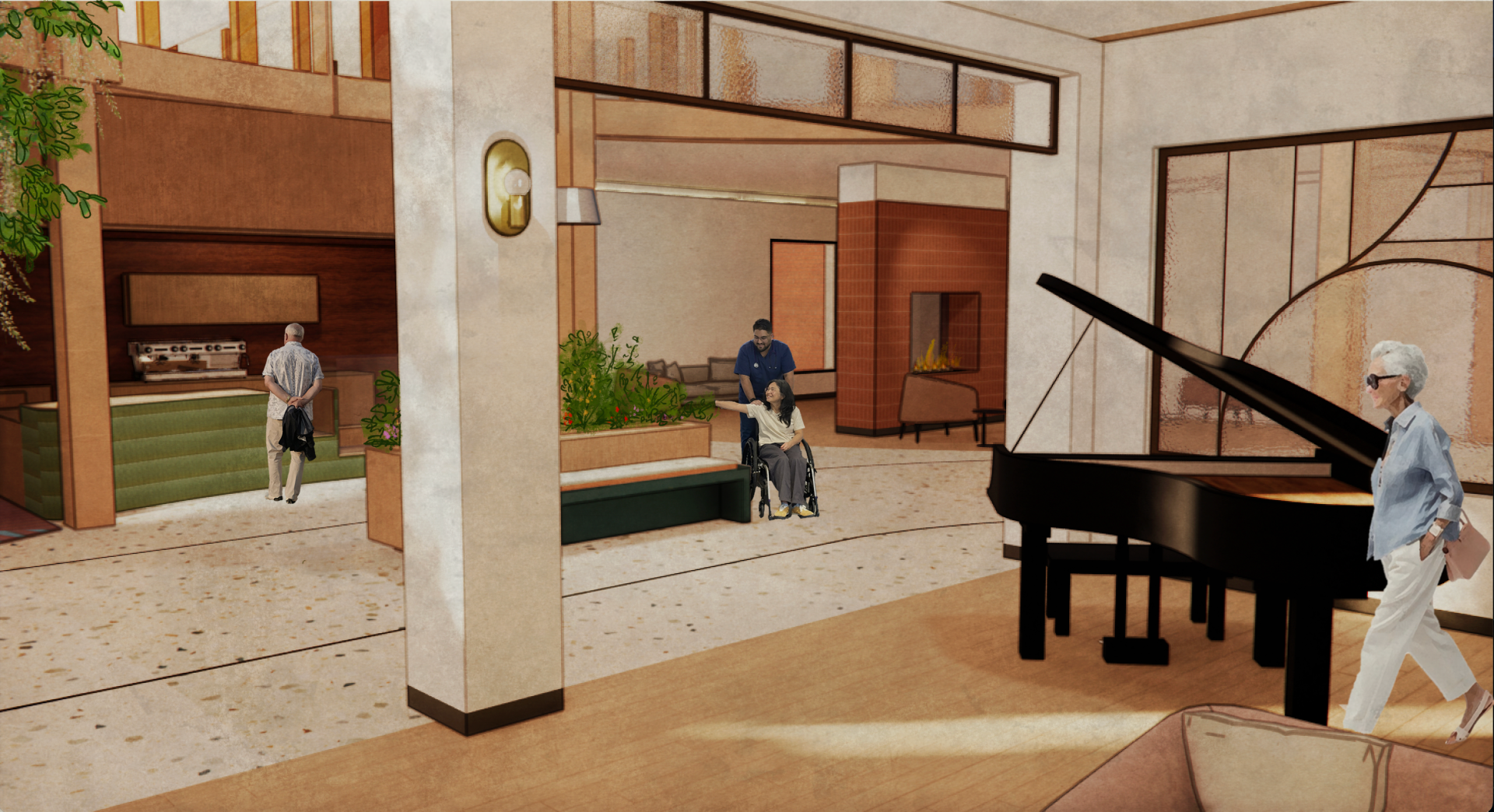
Bridging Tides is an intergenerational campus care model centered on small-scale community living, designed to reduce stigma around aging and long-term care. Inspired by the evolving landscape of False Creek Flats, the project fosters connection across generations through a hospitality-driven approach. Integrating biophilic and human-centered design, it creates warm, inclusive environments that support independence, dignity, and a strong sense of belonging.
Madison Chai
Hi, I’m Madi. I’m drawn to how spaces influence the way people connect, interact, and experience everyday life. Over the past four years, I’ve developed a passion for creating immersive, inclusive environments that support community well-being. Inspired by travel and observation, I approach design as a balance of research and creativity, using it to shape meaningful experiences and respond to complex spatial challenges.
Capstone Description:
The Collective reimagines the community centre as a holistic wellness hub that brings together movement, food, and social connection within a single environment. Located in Strathcona, it functions as a third space that supports everyday well-being through accessible, multi-functional programming. By encouraging overlap between users and activities, the design fosters a more connected and inclusive community experience.
Mai Hassoun
Hello! My name is Mai Hassoun, and I am a final-year honours interior design student passionate about creating adaptable, functional spaces. My design philosophy emphasizes timeless, inclusive, and sustainable environments that support diverse needs while delivering intuitive and engaging experiences. As I move forward after graduation, I aim to continue using my passion for design and a wide range of art mediums to make a meaningful, lasting impact in the industry.
Capstone Description:
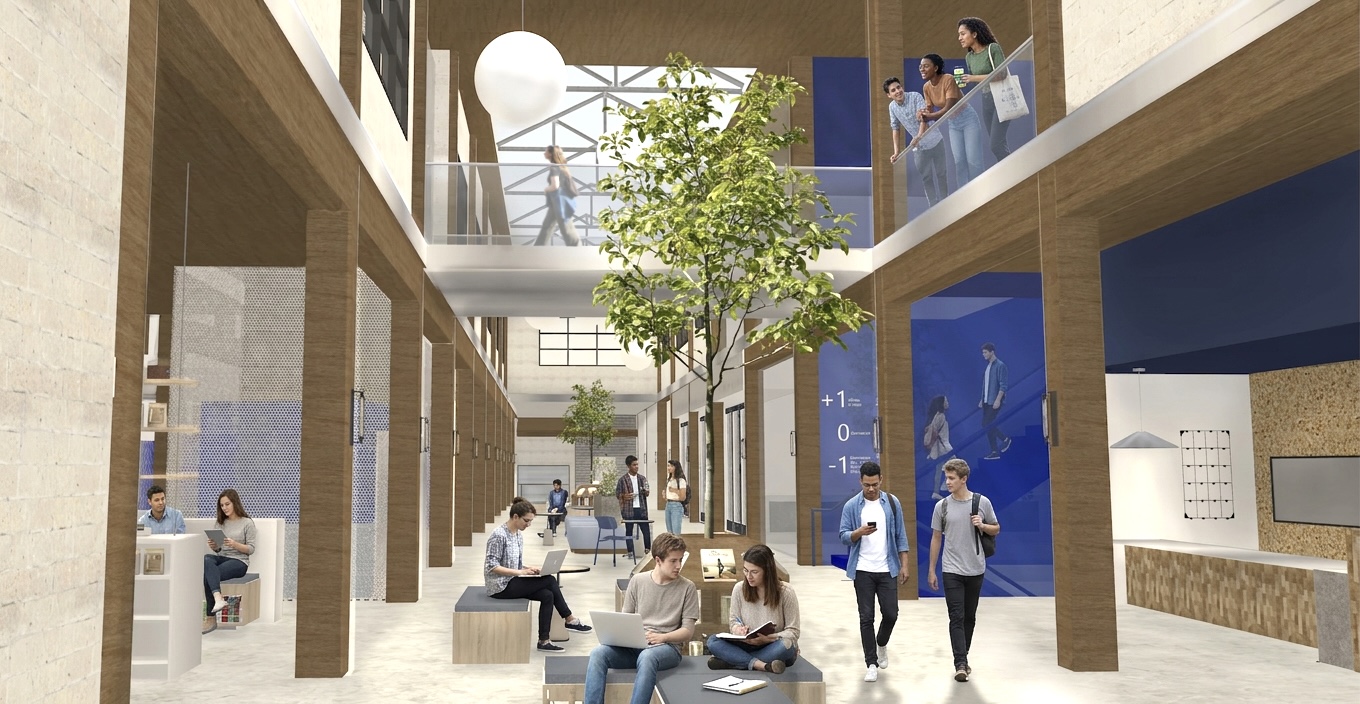
“The Tesserae Centre” is a neurodiverse healthcare community centre dedicated to supporting neurodivergent individuals. Many existing care environments can feel inaccessible or uncomfortable due to limited resources. Informed by evidence-based research, this design prioritizes adaptability and sensory awareness, offering a range of thoughtfully curated amenities for diverse cognitive needs. The result is a mosaic inspired inclusive, welcoming centre that fosters comfort, accessibility, and meaningful support for all users to honour everyone’s unique abilities.
Vanessa Chen
Contact:
Email: vanessa.chen25@hotmail.com
Vanessa is a graduating student in the Interior Design program at Kwantlen Polytechnic University. She believes human-centred design is the foundation of every project and sees the balance between aesthetics and functionality as a challenge that continually inspires her work. Interested in hospitality and workplace design, she strives to create thoughtful interiors that are engaging, practical, and meaningful.
Capstone Description:
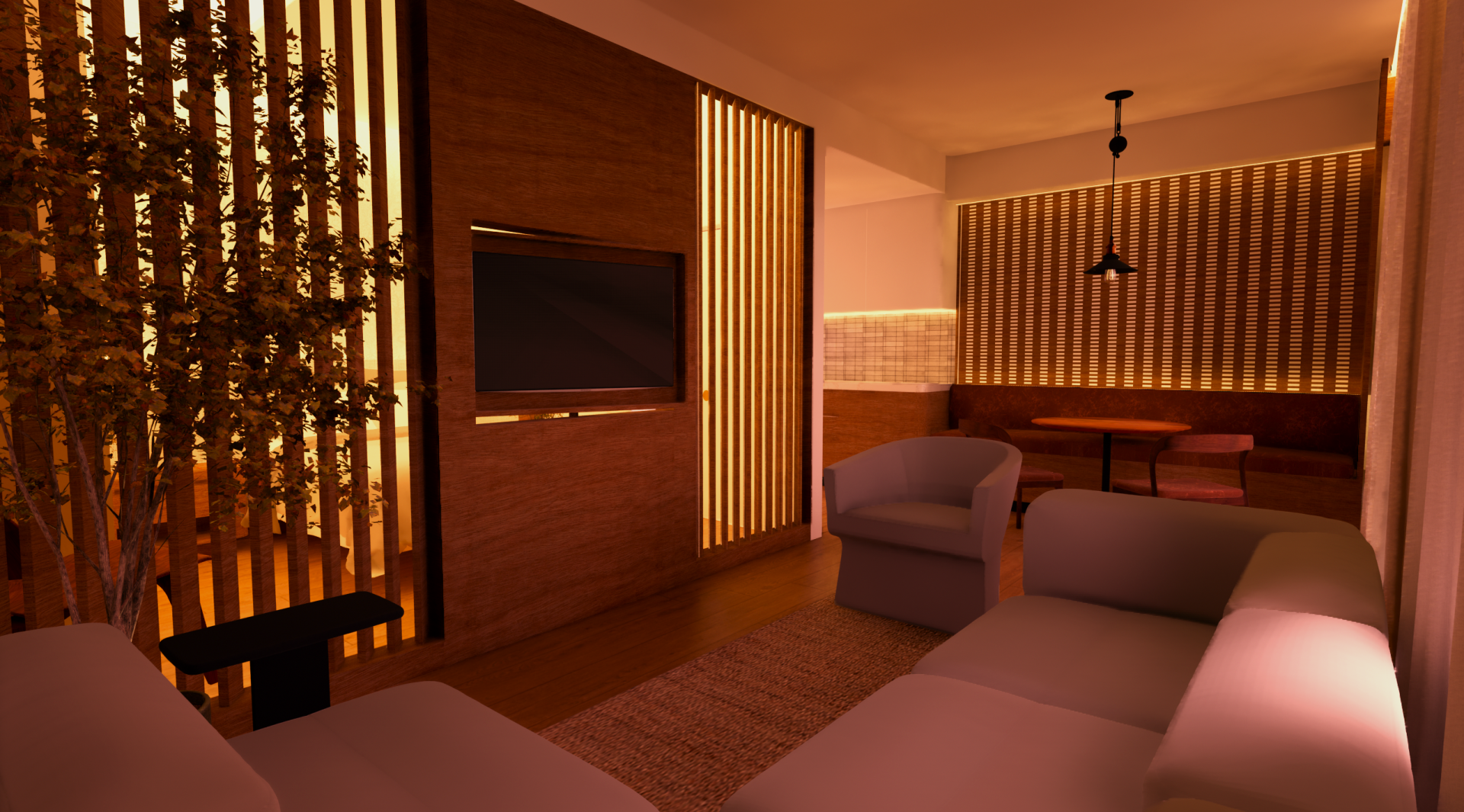
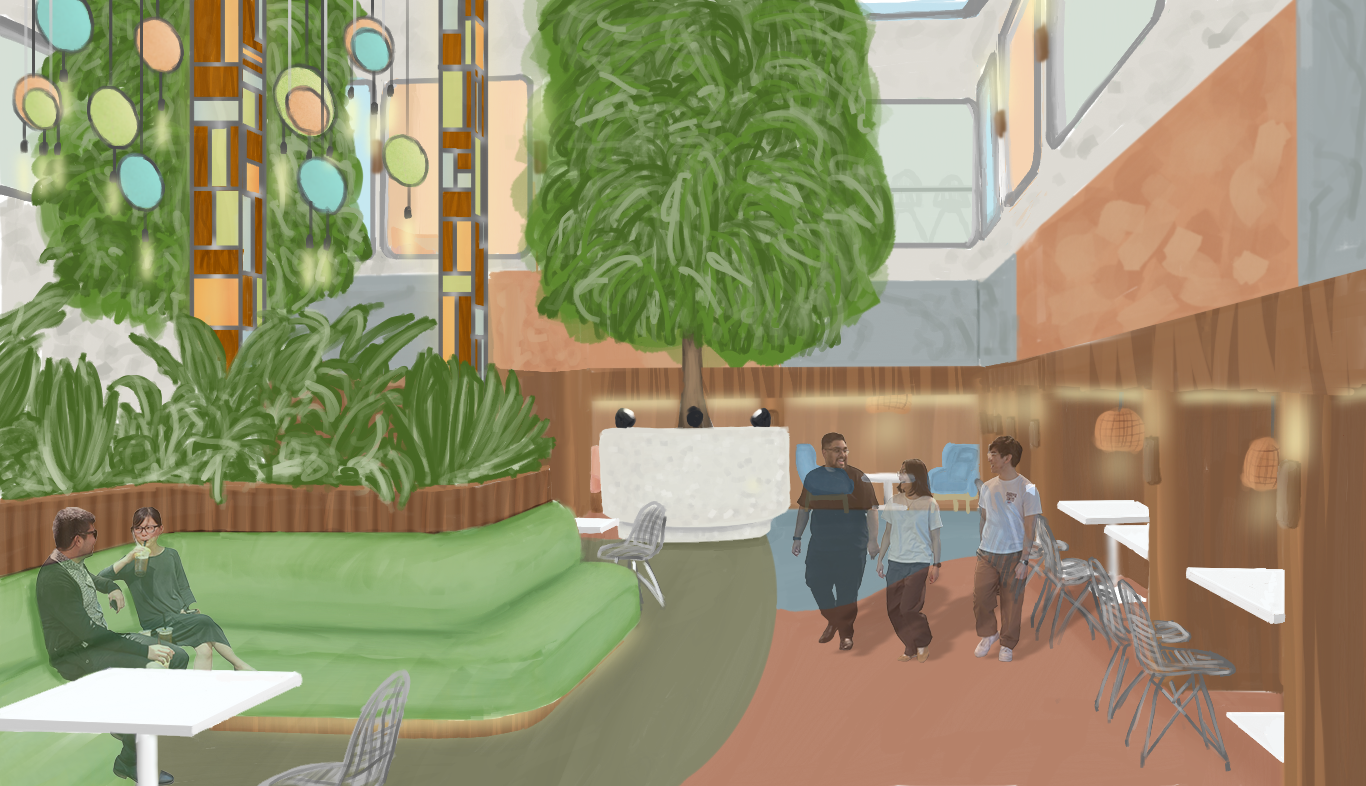
The Nest is a coliving and coworking hybrid hotel in Vancouver designed as a landing pad for newly arrived freelancers. By combining flexible accommodation, productive workspaces, and community-oriented shared areas, the project supports living, working, and connection in one environment, offering a more adaptable and socially supportive model of urban hospitality.
Wenyue Lu
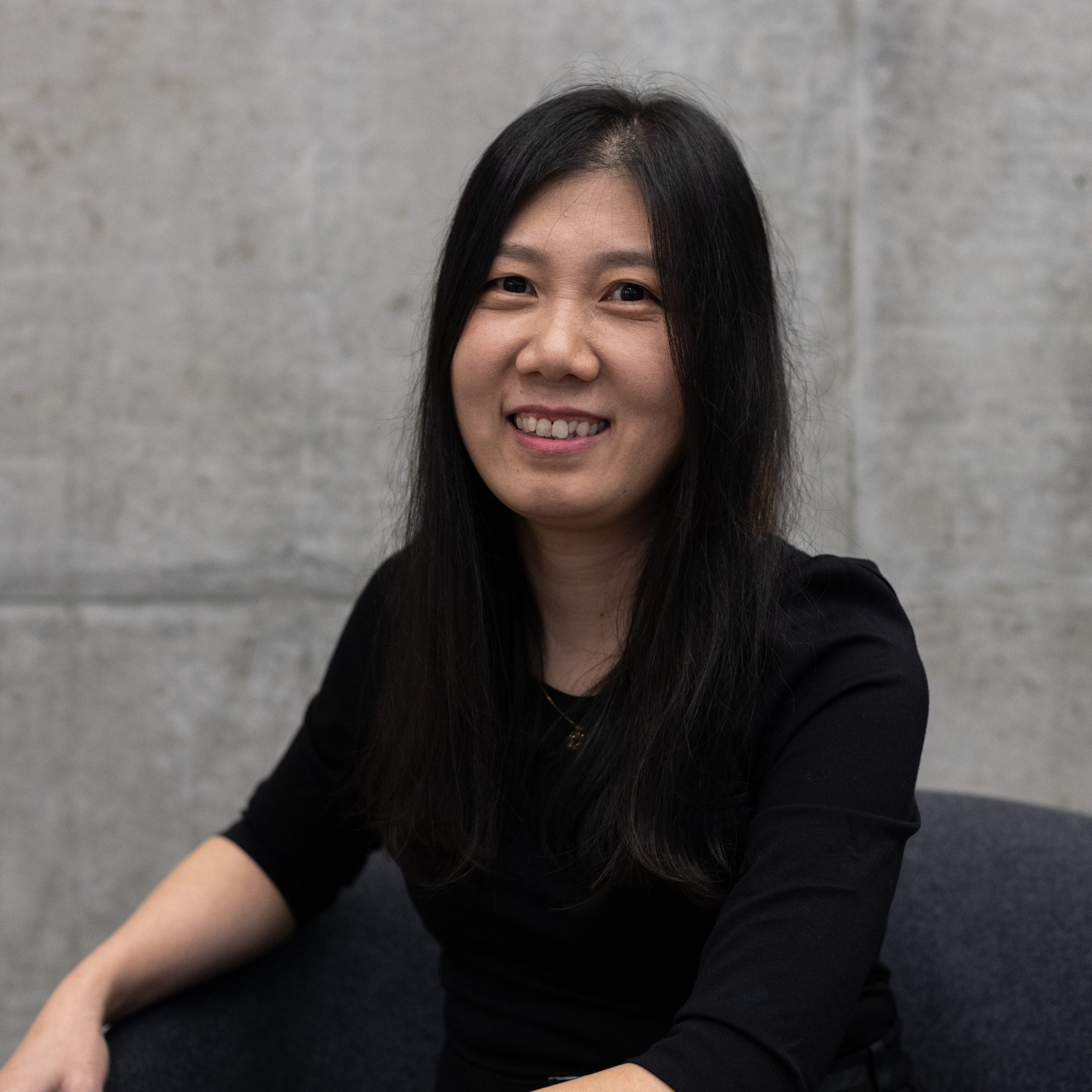
I am a fourth-year Interior Design student at the Wilson School of Design with an academic background in industrial design and design arts. My work focuses on integrating conceptual thinking with practical application, exploring human-centered spatial design. I am particularly interested in how materiality, form, and spatial strategy can shape meaningful and engaging user experiences.
Capstone Description:
My capstone project explores an intergenerational living model that connects seniors and young professionals through shared environments. While seniors seek independence through aging in place, and young professionals face housing and social challenges, both groups often experience isolation. This project rethinks residential design as a platform for connection rather than separation. By integrating shared spaces and supportive spatial strategies, the design fosters community, enhances daily interaction, and promotes dignity, independence, and mutual support across generations.